

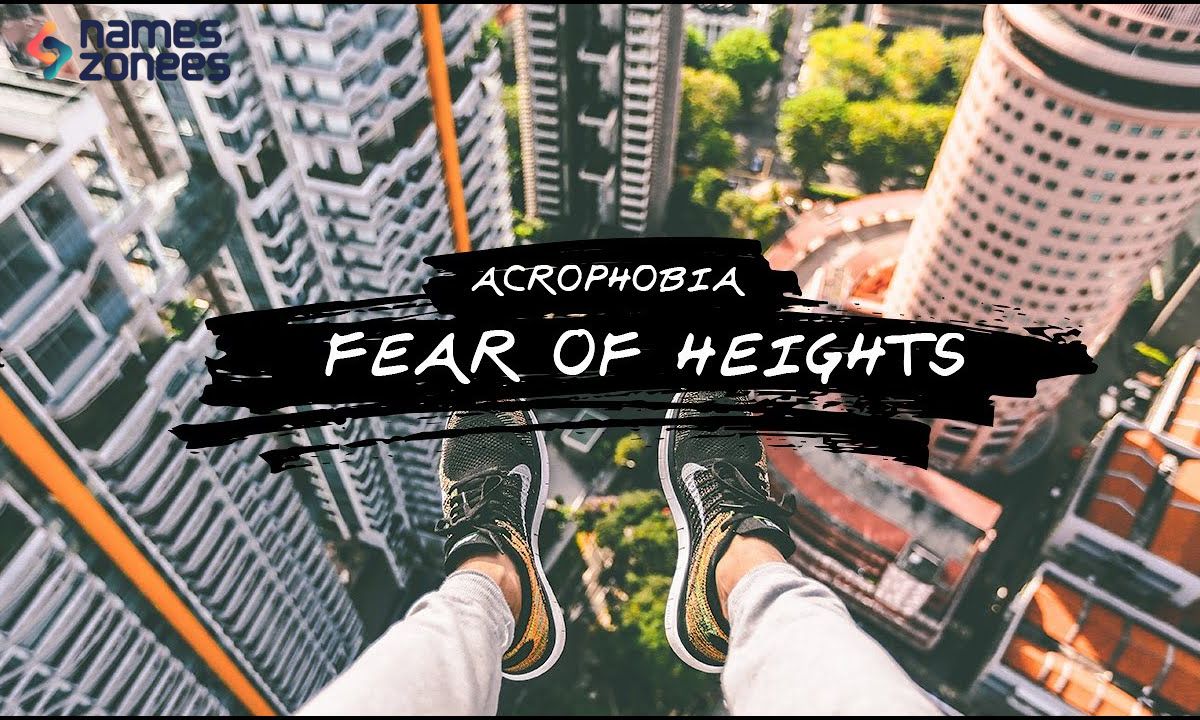
Being uncomfortable at a great height is a normal human response. But when fear becomes intense, persistent, and difficult to control, it may be more than ordinary caution. Acrophobia Fear of Heights is a specific phobia involving a strong fear or anxiety related to high places. It can affect everyday activities such as using stairs, standing on balconies, crossing bridges, or working at elevated locations.
For some people, Acrophobia Fear of Heights causes physical symptoms such as trembling, rapid heartbeat, nausea, dizziness, or shortness of breath. Avoiding heights can provide temporary relief, but it may gradually restrict work, travel, social activities, and daily life. The good news is that specific phobias are treatable, and professional therapies, particularly exposure-based approaches, can help people develop better control over their fear.
What Is Acrophobia?
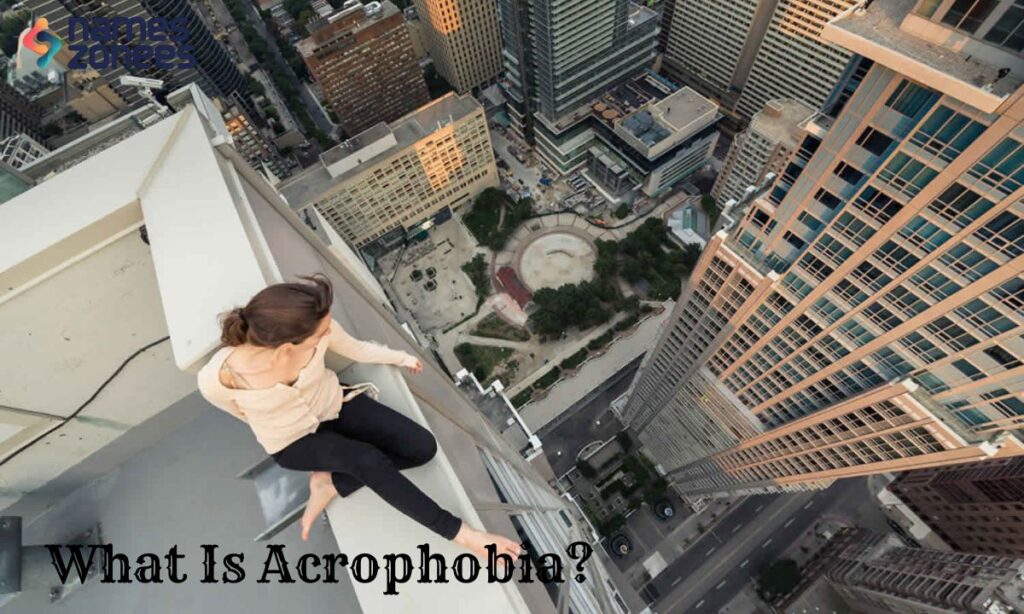
Acrophobia Fear of Heights is an intense and persistent fear of heights or situations involving elevated places. It is considered a specific phobia, a type of anxiety disorder in which a particular situation triggers significant fear or anxiety.
A person does not necessarily need to be extremely high above the ground to experience symptoms. Some people may become anxious on a ladder, staircase, balcony, bridge, or upper floor of a building. Others may feel fear simply by looking down from a height or imagining being in one.
Normal caution around heights is different from a phobia. Being careful near an unprotected edge is appropriate because falling can cause serious injury. A phobia becomes clinically important when the fear is excessive relative to the situation, leads to significant avoidance, and interferes with everyday life.
Common situations that may trigger Acrophobia Fear of Heights include:
- Standing on a balcony or rooftop
- Looking down from a tall building
- Climbing ladders
- Crossing high bridges
- Using elevated walkways
- Working on scaffolding
- Riding some amusement-park attractions
- Standing near the edge of a high place
- Looking down from a mountain or cliff
A person may also experience anxiety before reaching the height because they are anticipating what might happen.
Acrophobia Symptoms
Symptoms of Acrophobia Fear of Heights can involve thoughts, emotions, physical sensations, and avoidance behaviors. They may begin when someone encounters a height or even thinks about one.
The severity varies from person to person. Someone may feel uncomfortable and tense, while another person may experience overwhelming anxiety or a strong urge to escape.
Emotional and Physical Signs
Emotional and physical symptoms can include:
| Emotional or behavioral signs | Physical signs |
| Intense fear of falling | Rapid heartbeat |
| Strong anxiety | Trembling or shaking |
| Feeling unable to escape | Sweating |
| Anticipating danger | Nausea |
| Avoiding high places | Dizziness or lightheadedness |
| Feeling panicked | Shortness of breath |
| Difficulty concentrating | Muscle tension |
| Fear even when thinking about heights | Feeling weak or unsteady |
Some people may also experience panic-like symptoms. These reactions can feel very real even when the person understands that the situation is relatively safe.
A particularly important sign is avoidance. Someone may refuse certain jobs, avoid tall buildings, skip bridges, decline travel activities, or limit social plans because of their fear. When avoidance starts affecting important parts of life, professional evaluation may be worthwhile.
What Causes Acrophobia?
There is no single confirmed cause of Acrophobia Fear of Heights. Research on specific phobias suggests that biological, psychological, and environmental factors can all contribute.
Possible contributing factors include:
- A frightening experience: A fall, near-fall, accident, or other frightening event involving height may contribute to developing a lasting fear.
- Learning through observation: Seeing another person react fearfully to heights may influence how someone responds to similar situations.
- Family vulnerability: People with relatives who have anxiety disorders or phobias may have a greater vulnerability to developing anxiety-related conditions.
- Natural sensitivity to falling: Humans have an inbuilt tendency to recognize heights as potentially dangerous. In some people, this normal protective response may become excessive.
- Anxiety and thinking patterns: Repeatedly imagining catastrophic outcomes, such as falling or becoming trapped, can reinforce fear and avoidance.
- Childhood experiences: Some specific phobias begin during childhood, although they can develop at different stages of life.
Importantly, not everyone with Acrophobia Fear of Heights can identify a specific event that caused the fear. A person may develop the condition without remembering a traumatic experience.
Acrophobia Risk Factors
Certain factors may increase the likelihood of developing Acrophobia Fear of Heights, although having a risk factor does not mean that someone will develop the condition.
Recognized or possible risk factors include:
- A previous frightening or traumatic experience involving heights
- A family history of anxiety disorders or phobias
- A generally anxious or highly fearful temperament
- Other anxiety disorders or specific phobias
- Childhood experiences involving frightening situations
- Strong avoidance of feared situations
Specific phobias commonly develop earlier in life and may become noticeable during childhood, adolescence, or young adulthood. However, adults can also develop new phobias.
The overall category of specific phobia is relatively common. NIMH estimates that about 9.1% of U.S. adults experience a specific phobia in a given year, while about 12.5% experience one at some point in their lives. These figures refer to specific phobias generally, not specifically to fear of heights.
Acrophobia vs Vertigo
Acrophobia Fear of Heights and vertigo can both involve dizziness or unsteadiness, but they are not the same condition. Understanding the difference can help people seek the right type of evaluation.
Acrophobia is primarily a fear or anxiety response to heights. The symptoms usually appear in connection with high places or thoughts about them.
Vertigo, by contrast, is a sensation that you or your surroundings are spinning or moving when there is no corresponding movement. It can result from problems involving the balance system, particularly the inner ear, although other causes are possible.
| Feature | Acrophobia | Vertigo |
| Main problem | Fear or anxiety about heights | Sensation of spinning or movement |
| Typical trigger | High places or thoughts about heights | May occur with or without heights |
| Emotional response | Often prominent | May occur secondarily |
| Physical symptoms | Heart racing, sweating, trembling, nausea | Spinning, imbalance, nausea |
| Main clinical area | Anxiety and phobia | Balance and vestibular system |
Someone can have both anxiety around heights and a separate balance disorder. Therefore, recurring dizziness should not automatically be assumed to be Acrophobia Fear of Heights.
Related Height Fears
Not every fear involving an elevated situation is necessarily acrophobia.
For example, someone who fears flying may have a fear of flying rather than a fear of heights. Someone who fears being unable to escape from certain places may have another anxiety condition. A clinician considers the exact trigger, symptoms, duration, avoidance pattern, and effect on daily life when determining the appropriate diagnosis.
Read More: https://nameszonees.com/obdurate-meaning/
How Is Acrophobia Diagnosed?
There is no single blood test or imaging scan that confirms Acrophobia Fear of Heights. Diagnosis is generally based on a clinical assessment of symptoms, history, triggers, avoidance, and the impact of fear on daily functioning.
A healthcare or mental health professional may ask:
- When did the fear begin?
- What height-related situations trigger it?
- What physical symptoms occur?
- Do you avoid particular places or activities?
- How does fear affect work, travel, relationships, or daily tasks?
- Do symptoms occur outside situations involving heights?
- Are there other mental or physical health concerns?
For a specific phobia diagnosis, the fear or anxiety generally needs to be persistent for at least six months, disproportionate to the actual danger, and associated with meaningful distress or impairment. A clinician may also consider other explanations for dizziness, panic, or anxiety.
This distinction matters because dizziness or balance problems may have physical causes. If someone experiences spinning sensations even when no height is involved, a healthcare professional may need to investigate possible vestibular or other medical causes.
Treatment for Acrophobia
Treatment for Acrophobia Fear of Heights focuses on reducing excessive fear and avoidance while helping the person function more comfortably around height-related situations. Professional treatment is individualized according to symptoms and needs.
Therapy, Exposure and Medication
Exposure therapy is one of the main evidence-based treatments for specific phobias. It involves gradually confronting the feared situation in a controlled and supportive way rather than immediately facing the most frightening situation. Over time, repeated exposure can help a person learn to manage anxiety and reduce avoidance.
A therapist may create a gradual hierarchy, such as:
- Talking about heights.
- Looking at pictures of elevated places.
- Watching videos involving heights.
- Viewing a safe elevated location from a distance.
- Approaching a higher location when ready.
- Practicing increasingly challenging situations under appropriate guidance.
The exact progression should be individualized. Deliberately placing yourself in a dangerous situation is not exposure therapy.
Cognitive behavioral therapy (CBT) may also be used. CBT helps people identify unhelpful thoughts and develop healthier ways of responding to fear and anxiety.
Virtual reality exposure therapy is another approach that may allow people to practice height-related situations in a controlled environment. Research supports its potential usefulness for acrophobia, although availability varies.
Medication is not usually the primary treatment for a specific phobia. In some circumstances, a healthcare professional may consider medication to reduce anxiety or physical symptoms during particular situations. Options can include certain beta-blockers or anti-anxiety medicines, but these require professional assessment because they have limitations, side effects, and potential risks.
Do not start, stop, or borrow anxiety medication without medical advice.
How to Overcome Fear of Heights
Learning how to manage Acrophobia Fear of Heights usually works best when the approach is gradual, safe, and consistent. Trying to force yourself into an extremely frightening situation can increase distress and create unnecessary safety risks.
Helpful strategies may include:
- Work with a qualified therapist: Professional guidance is especially useful when fear significantly limits your life.
- Use gradual exposure: Build confidence through manageable steps rather than attempting the hardest situation first.
- Learn calming skills: Slow breathing, mindfulness, and relaxation techniques may help manage anxiety symptoms.
- Challenge catastrophic thoughts: Notice thoughts such as “I will definitely fall” and discuss more balanced interpretations with a therapist.
- Reduce avoidance carefully: Avoidance can maintain fear over time, while structured exposure can help change the fear response.
- Practice consistently: Progress may require repeated practice rather than a single exposure.
- Prioritize physical safety: Never practice exposure near an unprotected edge or in another genuinely hazardous location.
If heights cause severe dizziness or loss of balance, medical evaluation should come before attempting activities where a fall could occur.
Living With Acrophobia
Living with Acrophobia Fear of Heights can be frustrating, especially when fear begins to influence decisions that seem unrelated to anxiety. Some people change travel plans, avoid certain buildings, decline work opportunities, or depend on others to handle height-related tasks.
Small practical steps can make everyday situations easier while professional treatment addresses the underlying fear.
If you suddenly feel anxious at a height:
- Move away from the edge if it is safe to do so.
- Stop and avoid rushing.
- Sit or stabilize yourself if you feel unsteady.
- Focus your attention on a stable object or the horizon.
- Use slow, controlled breathing.
- Ask a trusted person for assistance when necessary.
These strategies are for immediate coping, not a substitute for treatment. If fear repeatedly interferes with work, education, travel, relationships, or ordinary activities, consider discussing it with a healthcare professional or mental health specialist.
Acrophobia Outlook and Recovery
The outlook for Acrophobia Fear of Heights is generally encouraging because specific phobias can be treated. Exposure-based therapy and CBT can help people reduce avoidance and learn new responses to feared situations.
Recovery does not necessarily mean never feeling uncomfortable at a height. A more realistic goal is being able to experience some anxiety without allowing it to control important decisions or activities.
Progress can vary. Some people notice meaningful improvement relatively quickly, while others need longer-term therapy and repeated practice. A mental health professional can help determine an appropriate treatment plan.
When to See a Doctor
Consider speaking with a healthcare professional if:
- Fear of heights regularly interferes with daily life.
- You avoid important activities because of height-related anxiety.
- Anxiety symptoms are severe or difficult to control.
- Dizziness occurs frequently or outside height-related situations.
- You experience repeated spinning sensations.
- You are worried that another physical or mental health condition may be contributing to your symptoms.
Seek urgent medical attention for sudden severe dizziness accompanied by symptoms such as new weakness or numbness, trouble speaking, major vision changes, fainting, or severe neurological symptoms. Such symptoms should not automatically be attributed to Acrophobia Fear of Heights.
Frequently Asked Questions
Is Acrophobia Fear of Heights a mental health condition?
Yes, acrophobia is classified as a specific phobia, a type of anxiety disorder involving intense fear of a particular situation.
A clinician considers persistence, avoidance, distress, and interference with daily life when making a diagnosis.
Can Acrophobia Fear of Heights be treated?
Yes, specific phobias are treatable, and exposure-based therapy is a commonly recommended approach.
CBT may also help people change unhelpful thoughts and responses connected with height-related fear.
Is dizziness always caused by Acrophobia Fear of Heights?
No, dizziness can have many causes, including anxiety and disorders affecting the balance system.
Recurring or unexplained dizziness should be assessed by a healthcare professional rather than self-diagnosed.
Can Acrophobia Fear of Heights develop in adulthood?
Yes, although specific phobias often begin earlier in life, they can develop or become noticeable during adulthood.
A previous frightening experience, anxiety vulnerability, or other factors may contribute to their development.
Should I expose myself to heights to overcome Acrophobia Fear of Heights?
Exposure can be helpful, but effective exposure is usually gradual, structured, and appropriately supervised.
Do not deliberately place yourself in dangerous situations or practice near unsafe heights.
Conclusion
Acrophobia Fear of Heights is more than ordinary caution around high places. It can cause intense anxiety, physical symptoms, avoidance, and meaningful disruption to everyday life. It is also different from vertigo, which involves a sensation of spinning or movement and may have an inner-ear or other medical cause. Understanding this distinction can help people seek appropriate care rather than assuming every episode of dizziness is caused by fear.
The most important step is to avoid letting fear silently control your life. Professional treatment, especially gradual exposure therapy and CBT, can help many people develop healthier responses to height-related anxiety. If symptoms are severe, persistent, worsening, or accompanied by unexplained dizziness, speak with a qualified healthcare professional for an individualized assessment and treatment plan.

Jack Smith explores ideas, shares knowledge, and creates content that inspires curiosity and everyday learning.